
Discover Our
Bonded Warehousing & Logistics
Musukume Commodities leverages strategic bonded warehouse partnerships across Southern Africa to provide secure storage, customs efficiency, and seamless trade execution.
Musukume Bonded Warehouse Strategy
The Musukume Bonded (Polytra bonded warehouse and or C. Steinweg Group) Warehouse Strategy is designed to make it easier, safer, and faster for small-scale miners across Africa to sell their minerals into formal international markets.
What a Bonded Warehouse Is
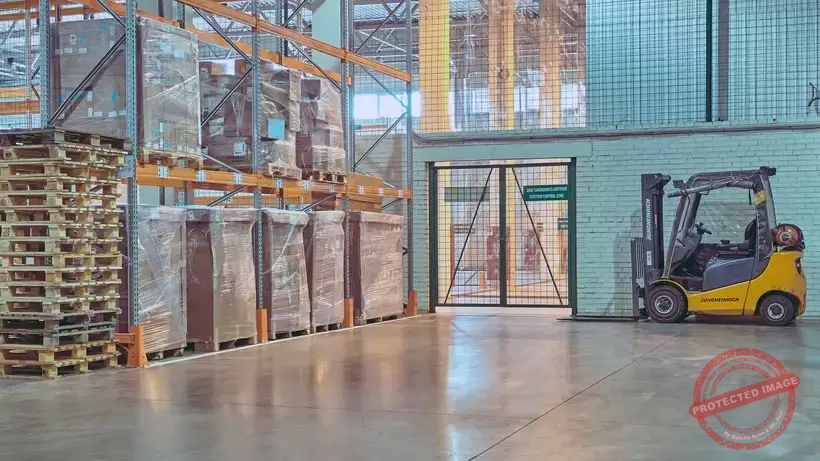
A bonded (Polytra bonded warehouse and or C. Steinweg Group) warehouse is a secure storage facility where minerals or goods are kept under customs control. Taxes and duties are not paid immediately. They are only paid when the goods are exported or officially cleared.
For a commodity trading company like Musukume, this creates a powerful trading advantage.
Key benefit:
Minerals can be stored, inspected, financed, and sold internationally before duties are finalized.
How the Musukume Model Works
Step 1 — Mineral Sourcing
Musukume buys minerals directly from:
- Small-scale miners
- Artisanal mining cooperatives
- Local mineral aggregators
Common minerals may include:
- Copper concentrate
- Cobalt
- Tantalite
- Manganese
- Tin ore
These minerals are sourced mainly from countries such as Zambia, DRC, and other African mining regions.
Step 2 — Delivery to a Bonded Warehouse
Instead of delivering minerals directly to an international buyer, the minerals are delivered to a licensed bonded warehouse.
Example locations may include bonded warehouses operated by logistics companies such as:
- Steinweg
- Access World
These facilities exist in mining corridors like Ndola, Durban, or Dar es Salaam.
At this stage:
- Minerals are weighed
- Quality samples are taken
- Assays are performed
- Stock is registered under Musukume
Step 3 — 100% Payment to Miners
One of the strongest parts of the Musukume strategy:
Musukume pays miners 100% once the minerals are confirmed in the bonded warehouse.
This builds trust with miners, because:
- They are paid immediately
- They do not need to wait for international buyers
- They avoid exploitation by informal traders
Step 4 — Quality Verification
At the warehouse:
- Independent assay laboratories confirm mineral grade.
- The warehouse issues official documents such as:
Typical documents include:
- Warehouse Receipt
- Weighbridge Certificate
- Assay Certificate
- Packing List
- Export Documentation
These documents make the mineral bankable and tradable.
Step 5 — Sale to International Buyers
Once stored and verified, Musukume sells the minerals to:
- International smelters
- Refiners
- Commodity traders
Buyers may come from regions like:
- China
- Europe
- Middle East
- India
Because the minerals are already stored in a recognized bonded warehouse, international buyers trust the transaction.
Step 6 — Export and Final Settlement
When a buyer purchases the material:
- Export documentation is processed.
- The minerals are released from the bonded warehouse.
- They are shipped to the buyer’s refinery or smelter.
At this point:
- Duties are cleared if required.
- The trade is finalized.
Our Strategic Warehouse Partners
Musukume Commodities partners exclusively with established operators offering military-grade security, real-time inventory systems, and proven track records in metals storage.